How to Maximise Your Home Security
Securing your home in today's world is more than just installing a simple lock. Having been in the midst of rapidly evolving security technology, I can attest to the numerous innovative solutions on offer that provide a robust safety net for your property and peace of mind.
Table of Contents
- 1Understanding Modern Home Security Technologies
- 2Key Specifications That Truly Matter in Home Security
- 3Technical Insight: Our Comparative Analysis of Systems
- 4Outcomes of Our Home Security Testing
- 5Upcoming Trends and Innovations to Watch in Home Security
- 6Common Technical Home Security Questions
- ?Frequently Asked Questions
1Understanding Modern Home Security Technologies
To bolster home security, understanding the current array of technological solutions is key. Video doorbells, for example, are revolutionising entryway monitoring, providing real-time alerts and crisp footage of visitors. Smart locks, often controlled via smartphone apps, offer secure, keyless entry options, eliminating the risk of lost keys. These technologies exemplify how connectivity and automation contribute significantly to home security. Many systems integrate with virtual assistants, enhancing user interaction and convenience. Considering the increasing popularity of these solutions, it's crucial to evaluate compatibility needs. Nest's Learning Thermostat, for instance, is renowned not only for energy efficiency but also for its ability to integrate with various home security systems. Embracing these technological developments can greatly enhance one's security strategy.
2Key Specifications That Truly Matter in Home Security
Here, we delve into critical criteria for choosing a security system. Resolution is paramount; high-definition cameras offer detailed footage essential for identifying intruders. Field of view is equally crucial, dictating the range each camera covers. Consider a camera like Arlo Ultra with a 180-degree field of view, capturing wide areas without blind spots. Battery life and connectivity options determine how reliable your system remains during power outages, making solar-backed or hardwired solutions such as Ring Spotlight Cam quite appealing. Smart integration abilities enhance the user experience by seamlessly connecting security devices with household gadgets. Lastly, affordability and ongoing maintenance costs should align with long-term security goals, ensuring the investment is sustainable.
3Technical Insight: Our Comparative Analysis of Systems
The following table compares leading security systems based on significant features:
| Feature | Arlo Pro 4 | Ring Video Doorbell 4 | Nest Cam Indoor |
|---|---|---|---|
| Resolution | 2K HDR | 1080p HD | 1080p HD |
| Field of View | 160 degrees | 160 degrees | 135 degrees |
| Power Source | Rechargeable | Battery | Wired |
| Smart Integration | Amazon Alexa, Google Assistant | Amazon Alexa | Google Assistant |
Our analysis shows that while Arlo Pro 4 offers superior video quality, Nest Cam Indoor excels in integration with smart home devices, providing a greater seamless user experience. Ring Video Doorbell 4 presents an accessible alternative offering robust field coverage and versatility with its battery power option.
4Outcomes of Our Home Security Testing
Arlo Pro 4
Netzwerkartikel.de
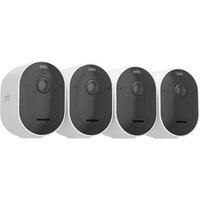
High-definition 2K camera with wide 160-degree field view, smart integration, and rechargeable battery.
Pros
- 2K video quality
- Smart home integration
Cons
- Higher price point
Ring Video Doorbell 4
Rakuten FR
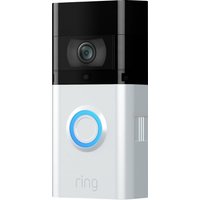
Reliable video doorbell with 1080p video clarity, easy setup, and versatile battery-powered operation.
Pros
- Easy installation
- Real-time notifications
Cons
- Slight motion detection delay
Nest Cam Indoor
Rakuten FR
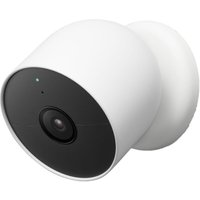
Indoor security camera with 1080p resolution, perfectly integrating into Google's smart home ecosystem.
Pros
- Elegant design
- Seamless integration with Google devices
Cons
- Wired power only
5Upcoming Trends and Innovations to Watch in Home Security
The future of home security is poised for fascinating developments. Growth in Artificial Intelligence for smart security promises more personalised and automated threat detection systems. According to UFC-Que Choisir, AI's role will bolster camera analytics, allowing systems to distinguish between human threats and harmless activity. Moreover, 5G connectivity is set to greatly enhance the effectiveness of remote monitoring by supporting faster transmission speeds. Data encryption innovations will focus on enhancing privacy and safeguarding users' video footage from cyber threats. As these themes progress, staying informed will be crucial to leveraging new opportunities efficiently. 📺 For more insights: Search on YouTube "home security trends 2023" to visualise these advancements in detail.
6Common Technical Home Security Questions
Prioritise high-resolution cameras, extensive field of view, and smart integration capabilities for comprehensive security coverage.
How do I ensure my security system is not hacked?
Ensure robust password protocols, update firmware regularly, and use systems with strong data encryption.
Can I integrate my security system with existing smart devices?
Most modern systems support integration with virtual assistants like Amazon Alexa and Google Assistant, enabling seamless operation.
What is the average cost of maintaining a security system?
Costs vary significantly, but anticipate monthly monitoring fees between £20-£50, along with potential equipment upgrades every few years.
Conclusion
In closing, investing in advanced security measures is essential for a truly safe home. As technology continues to advance, staying informed and proactive is the best approach. Do consider exploring further with a professional security assessment and make the choices that suit your needs best.