Common Mistakes to Avoid with Smart Lighting
Embarking on a smart lighting journey can be both exciting and daunting. Having ventured into the realm of smart homes myself, I understand how overwhelming it can be to choose the right products and setup. In this guide, we'll explore the common pitfalls in smart lighting installations and how you can avoid them.
Table of Contents
1Common Smart Lighting Mistakes Everyone Makes
One common mistake is buying incompatible devices. Consumers often purchase smart bulbs or switches without checking if they are compatible with their existing systems or networks. For instance, certain smart bulbs require a Zigbee hub, while others rely on Wi-Fi. Misunderstanding such requirements can lead to frustration and waste of money. Another frequent error is neglecting to consider future scalability. Many users buy just enough smart lighting fixtures to meet their current needs without considering future expansions. It's essential to think ahead and purchase systems that can grow with your needs to avoid substantial upgrades later.
2Avoiding Misleading Marketing Criteria
Marketing can sometimes lead us astray with flashy features that aren't as useful as they seem. One such criterion is the emphasis on multicolour features. While having a vast range of colours can seem appealing, the reality is most users stick to a few favourites for daily use. Investing in products with hundreds of colour options might not provide value for money. Another misleading factor is the energy-saving claim of every product. While smart bulbs are generally more efficient than traditional lights, the actual savings can vary significantly. It’s crucial to examine energy ratings and compare them with your existing lighting to discern real benefits.
3Essential Criteria for Smart Lighting
Focus on compatibility and ease of integration with existing systems such as Google Home or Amazon Alexa. Consider the ease of use provided by the accompanying app; a well-designed interface can make managing your lighting setup a breeze. It's also important to look at the longevity and warranty of products. Smart lighting involves a higher upfront investment compared to traditional bulbs, so ensuring they last is key. Furthermore, consider the adjustability of brightness and warmth, a feature that provides practical everyday use beyond aesthetic appeal.
4Our Recommended Smart Lighting Products
Hue White and Colour Ambiance
Fnac FR
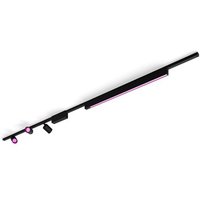
A versatile bulb compatible with both Zigbee and Bluetooth setups.
Pros
- Easy integration with smart systems
- Wide colour choice
Cons
- Requires Hue Bridge for full features
LIFX Mini White
Darty FR
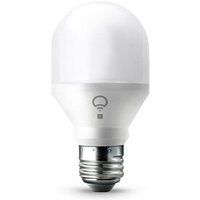
Compact bulb ideal for confined spaces, delivering bright white light.
Pros
- No hub needed
- Excellent smart home integration
Cons
- Limited to white light
Tradfri Bulb
IKEA
An affordable smart bulb option compatible with Zigbee systems.
Pros
- Cost-effective
- Simple setup
Cons
- Requires separate hub
5Your Smart Lighting Pre-Purchase Checklist
- [ ] Verify device compatibility with existing systems
- [ ] Check future scalability of the lighting setup
- [ ] Review energy efficiency claims against existing lights
- [ ] Evaluate app usability and user reviews
- [ ] Confirm warranty and lifespan of the products
6FAQ: Addressing Common Smart Lighting Concerns
- Can I use smart bulbs in any fitting? Generally, smart bulbs fit standard sockets, but always check dimensions.
- Do smart lights save money? They offer long-term savings with lower energy use, but upfront costs are higher.
- Is a hub necessary? Some systems require hubs, while others use Wi-Fi. Choose based on infrastructure.
- What happens if my Wi-Fi goes down? Many smart bulbs revert to an 'on' state manually, so they're still operational.
Conclusion
Smart lighting can transform your home, but only if implemented correctly. By avoiding the common mistakes outlined in this guide and choosing the right products, you can ensure a seamless integration into your living space. Let's illuminate your path to a smarter home!